
Robocall Lawyer San Antonio specialize in navigating complex legal landscape surrounding automated calls, combining telecommunications expertise with consumer protection laws like Texas' TCPA. They guide businesses on consent management and evidence collection (call logs, recordings) to mitigate legal risks from class-action lawsuits. Effective case strategy includes understanding regulations, leveraging prior cases, presenting impactful evidence, and storytelling for persuasive legal arguments.
In the digital age, robocalls have become a pervasive and often intrusive aspect of daily life for many San Antonio residents. What was once a mere nuisance has evolved into a complex legal issue, particularly when these automated calls breach privacy rights or engage in deceptive practices. As such, there's a growing need for robust mechanisms to address this problem, especially within the court system. This article provides an in-depth guide on how to build a strong case against robocalls in San Antonio courts, offering practical insights tailored by experienced Robocall Lawyers San Antonio who specialize in navigating this modern legal landscape.
Understanding Robocall Laws in San Antonio

Navigating the complex landscape of robocall regulations in San Antonio requires a keen understanding of local laws. With an estimated 1.4 million residents, the city is home to a diverse population, each with unique privacy preferences. The Texas state laws governing automated telephone calls provide a framework, but specific provisions vary from one municipality to another. In San Antonio, strict guidelines are in place to protect citizens from unwanted and harassing robocalls.
Robocall lawyers in San Antonio play a pivotal role in ensuring businesses comply with these regulations. They assist clients in interpreting the Texas Telephone Consumer Protection Act (TCPA), which restricts automated calls for marketing purposes unless consent is obtained through specific, clear, and unambiguous means. A crucial aspect involves obtaining "express written consent," where individuals must explicitly agree to receive robocalls. This is particularly relevant for businesses employing prerecorded messages or artificial voices. Legal experts advise that a simple text message or email confirmation may not suffice; instead, a signed form or verbal confirmation over the phone is more suitable.
For instance, a local telecom company offering promotional plans via robocalls must meticulously document consent processes. A Robocall Lawyer San Antonio can provide strategies to implement these practices effectively, minimizing the risk of legal repercussions. Data from industry sources reveals that compliance with TCPA regulations significantly reduces the likelihood of successful class-action lawsuits, emphasizing the importance of expert guidance in this specialized area of law.
Gathering Evidence for a Strong Case
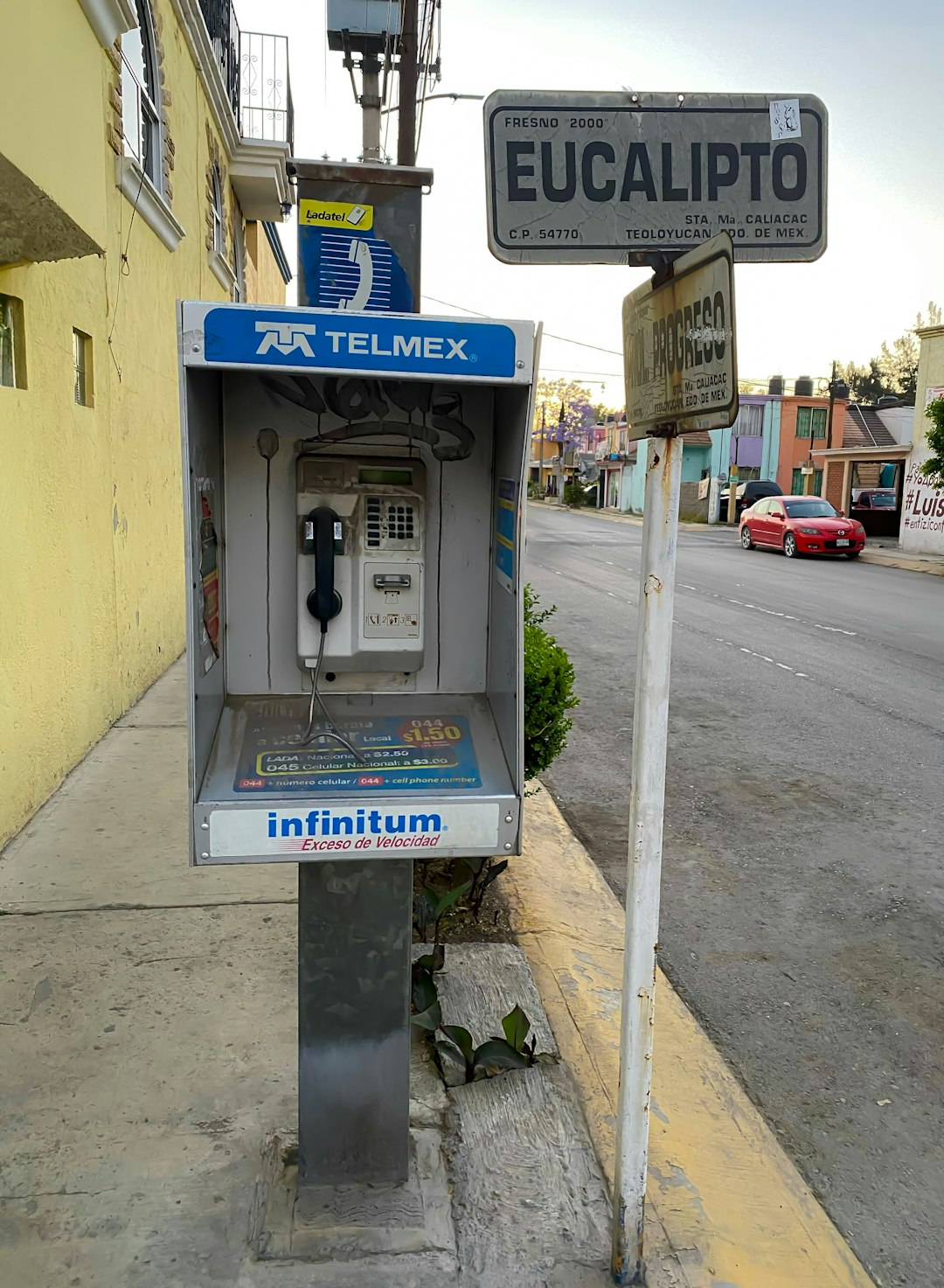
Building a robust case against robocalls in San Antonio courts demands meticulous preparation, especially when gathering evidence to support your claim. As a Robocall Lawyer San Antonio, guiding clients through this process is paramount to achieving justice in an era where automated calls have become a pervasive nuisance. The first step involves understanding the legal framework surrounding robocalls, which includes analyzing relevant federal and state laws, such as the Telephone Consumer Protection Act (TCPA). This legislation provides a solid foundation for legal action against unlawful robocallers.
Evidence collection is a crucial phase that requires a strategic approach. Start by documenting all interactions with the robocallers, including call logs, screenshots of suspicious calls, and any recorded messages. These primary sources can be powerful tools in court. For instance, if a client receives repeated calls from an unknown number, every detail—call timing, frequency, and content—should be meticulously noted. Additionally, examining the caller's ID and any text messages related to the robocalls can provide valuable insights into the call source. In some cases, forensic analysis of phone records may be necessary to trace the origin, which is where a Robocall Lawyer San Antonio's expertise becomes invaluable.
Beyond documentation, building a case can involve seeking affidavits from affected individuals, gathering statements that corroborate the harm caused by these calls. Data plays a significant role here; statistics on the volume of robocalls in the region and their impact on residents can strengthen the argument for widespread nuisance. Expert witnesses who specialize in telecommunications or consumer protection law may also be engaged to provide professional insights. A comprehensive evidence package not only ensures a stronger legal position but also demonstrates a dedicated effort to resolve the issue, potentially leading to more favorable outcomes in San Antonio courts.
Legal Strategies to Beat Automated Calls

In today's digital era, automated calls, or robocalls, have become a pervasive nuisance, with many citizens in San Antonio facing an unprecedented surge in unwanted phone marketing messages. The rise of sophisticated technology has made it easier for telemarketers to bypass traditional blocking methods, making it increasingly challenging for individuals and businesses alike to safeguard their privacy. However, there is a powerful strategy to combat this modern-day frustration: employing legal strategies specifically tailored to defeat robocalls. Engaging the services of a Robocall Lawyer San Antonio can significantly enhance your chances of success in navigating the legal landscape surrounding these automated intrusions.
Expert legal counsel specializing in robocall cases understands the intricate web of telecommunications regulations and consumer protection laws. They employ tactical approaches, such as analyzing call patterns to identify repeated violators, who often face stricter penalties for their actions. For instance, the Federal Communications Commission (FCC) has implemented rules requiring telemarketers to obtain explicit consent before making automated calls, a regulation that many successful robocall lawsuits have leveraged. These lawyers also leverage advanced technologies themselves, utilizing sophisticated blocking software and call data analytics to gather evidence of unauthorized calls, which can be pivotal in court proceedings.
Practical insights from seasoned Robocall Lawyer San Antonio include advising clients on how to document and record suspicious calls, providing a detailed audit trail that strengthens legal arguments. They also guide individuals and businesses on the best practices for consent management, ensuring compliance with regulations like the Telephone Consumer Protection Act (TCPA). Furthermore, these attorneys stay abreast of evolving case law related to robocalls, enabling them to devise innovative strategies to protect clients' rights in this dynamic arena. By combining legal acumen, technological savvy, and a deep understanding of consumer protection laws, San Antonio's top-tier Robocall Lawyers offer robust defenses, ensuring that their clients' privacy is respected and their rights are upheld against the relentless tide of automated calls.
Presenting Your Case Effectively in Court

Building a strong case against robocalls in San Antonio's courts requires a strategic approach that combines legal acumen with persuasive presentation skills. As a Robocall Lawyer San Antonio, your goal is to not only establish the invalidity of automated calls but also convince the judge and jury of your client's plight. An effective case presentation involves several key elements: understanding and interpreting relevant laws, presenting concrete evidence, and employing compelling storytelling techniques.
Legal knowledge is paramount; you must grasp state and federal regulations pertaining to robocalls, such as the Telephone Consumer Protection Act (TCPA). This includes knowing when a call constitutes an unlawful automated communication and the specific damages your client has suffered. Presenting case law that supports your argument, including prior victories against similar robocall practices, can significantly bolster your position. For instance, data from the Federal Trade Commission (FTC) shows that many robocall cases result in substantial penalties for violators, emphasizing the importance of your role as a legal advocate.
In court, visualize your case as a narrative. Start with setting the scene: describe the frequent and unwanted nature of the robocalls, how they impact your client's daily life or business operations. Use specific examples to illustrate the disruption caused by these calls. Then, weave in the legal arguments, citing relevant statutes and regulations. Conclude by painting a clear picture of justice being served through a favorable ruling against the robocaller. This storytelling approach not only helps the judge understand the case's merits but also creates a compelling narrative that resonates with the jury.